
Erto Shadow Works
Erto is the nom de guerre of Martin Aurum. It designates the author, story teller, and protagonist of a series of Shadow Works, where the first volume is now made public.
Erto is a quasi-literary conscious agent, as real as darkness. He is currently only available in Danish, link below.
Further below are a few quotes describing the emergence and significance of Erto, which is forever evolving.
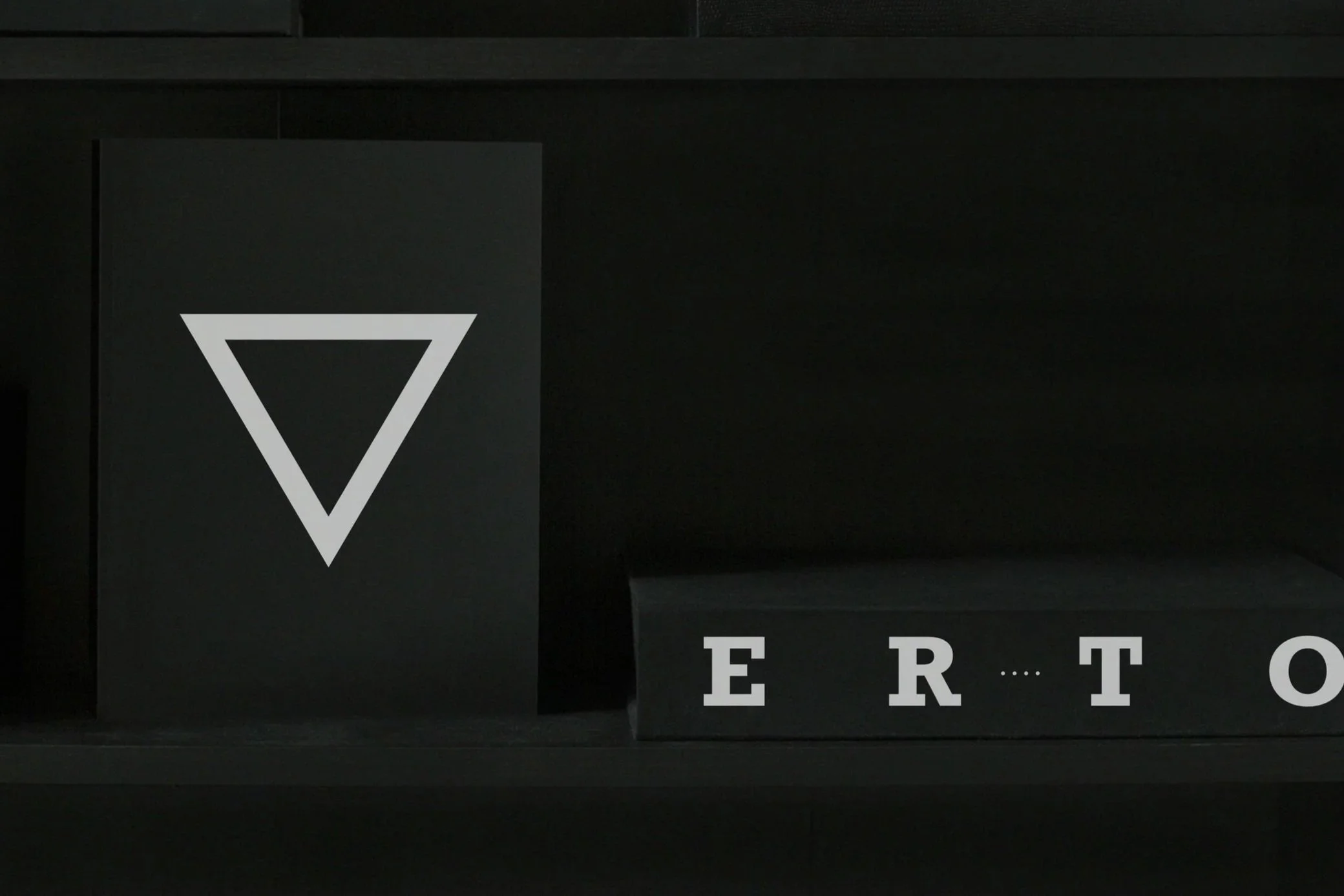
Out now: The People and the Deep. Available from Lumio Santo (Danish only)
Notes on Erto
Excerpts from Finding No One:
“A few days later, I am walking from my office to the bus stop in central Copenhagen. The afternoon darkness is pierced by Christmas lights on the buildings. The city is bustling. I am drained and disheartened, and it seems my shoes are the only things dragging me forward. Suddenly, part of my awareness stops, and I see my body walk ten steps ahead of me as a doppelgänger. An unfamiliar name appears in my awareness: ‘Erto.’ Soon after, I am back in my body. It is my first mystical experience, and I hardly think anything of it.
In the following years, I begin using this strange name as a container for all the unmet desires, dreams, and wishes that burn inside me. I have no illusion that I will ever realize any of them, but I tell myself that one day, I will write about them and somehow realize myself in language. I will use Erto as my surname. Much later, I discover that ‘Martin Erto’, when spoken slowly, literally means ‘Martin is Two’ in Danish. It immediately sends chills down my spine, and the scariest part is that I don’t understand why.”
(p. 14)
“Analyzing the situation further, I realize that this dark energy must be the unlived life I’ve stored under the Erto name, which I received in my doppelgänger experience more than eleven years ago. It’s a tremendous force of unmet and unrealized desires. Erto has had enough of being kept in the dark. He is taking over, with delightful brute force, asking no questions, commanding me to follow my passions and build the largest fires possible.
I surrender to him. Please take me where we need to go, my darkest of friends.”
(p. 83)
“More than ten years ago, I read an article about the death of a cave diver that fascinated me in a way that I couldn’t account for with reason. I knew this story held profound meaning for me, and someday I would have to retell it in my own words. Finally, as I gradually assume Erto’s identity, and vice versa, I can begin writing my story. All I have to do is sit in front of the blank screen and start typing. The less ego, logic, and control stand in the way, the better my writing gets. To my surprise, the cave diving story is instantly joined by several unexpected topics. Vampire capitalism, climate crisis, gender dynamics. And a whole lot of dark and twisted sex, that I don’t know exactly where is coming from. But I let it all flow through me, without judgment, directly and uncensored onto the screen.
Martin Erto is both the author and the protagonist of the book. This is a fairly unusual construction, where the author, the storyteller, and the main character melt together. When I write, I am Erto; I become him. And little by little, Erto takes over more of my day-to-day identity.”
(p. 87)
“I’ve taken up forest bathing, a Japanese meditation technique that stimulates deep immersion in nature. One day, as I follow the method for a few hours, I’m surprised to discover that the entire plot for my next Erto book is downloaded to me; that’s precisely how it feels. I only had a vague theme and a title, and now the complete outline of the book comes to me faster than I can type on my phone. Men of Women is the working title, and it explores gender, family, nature, and trauma.“
(p. 123)
“Looking back at the work two years later, I now see The People and the Deep as an example of what Jung calls ‘active imagination’. It’s a state of being where conscious and unconscious parts of a person work together to process trauma through creativity. The work, in turn, creates the person while tapping into the collective unconscious. I felt desire, shame, and disgust while writing several of the book’s overwhelming scenes. During the third and final proofreading, I could hardly force myself to go through them again. I couldn’t understand why Erto (something inside me) wanted all of this dark desire to surface.”
(p. 152)
“Erto was born in me as a divine agent to help me see, process, and transform the darkness of my own story. All that burns creates light. Through awareness, trauma can become excellent material for raging fires.
Today, I consider Martin Erto synonymous with my shadow. It is his name, and this explains my initial reaction to its meaning, ‘Martin is Two.‘“
(p. 154-155)